
World Environment Day: Reimagine. Recreate. Restore.
Climate change is the challenge of our time, and this year’s World Environment Day kicked off with the UN’s Decade on Ecosystem Restoration (2021-2030) – a global mission to revive our ecosystems. The take home message is that we can’t go back in time, but we can grow trees, green our cities and rewild our gardens. “We are the generation that can make peace with nature.”
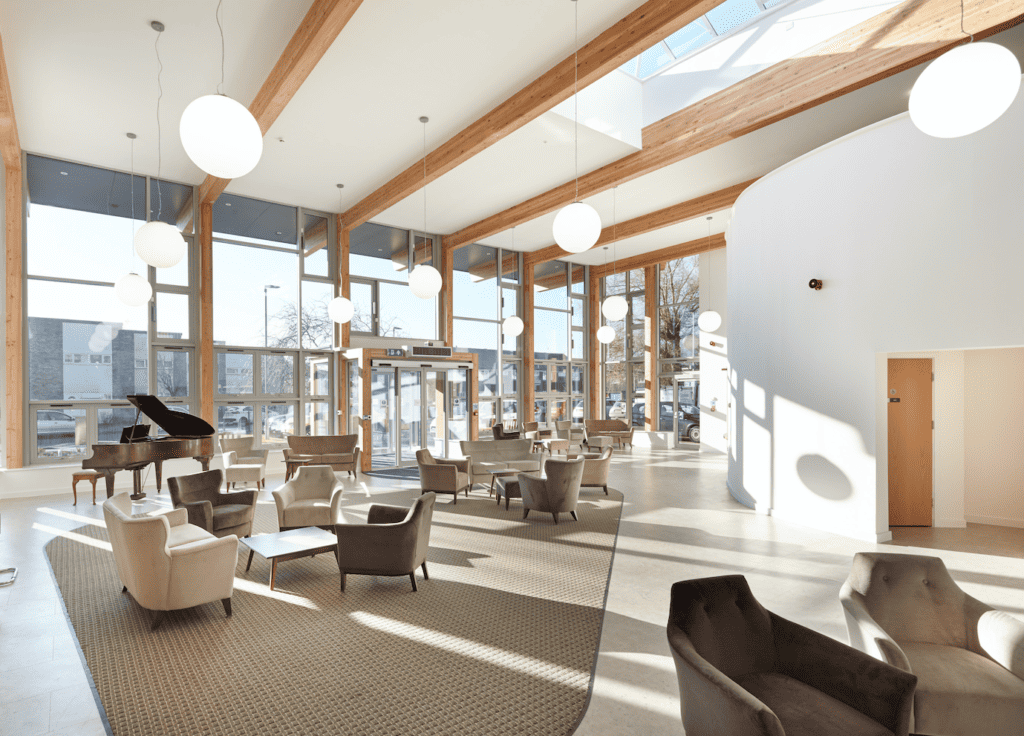
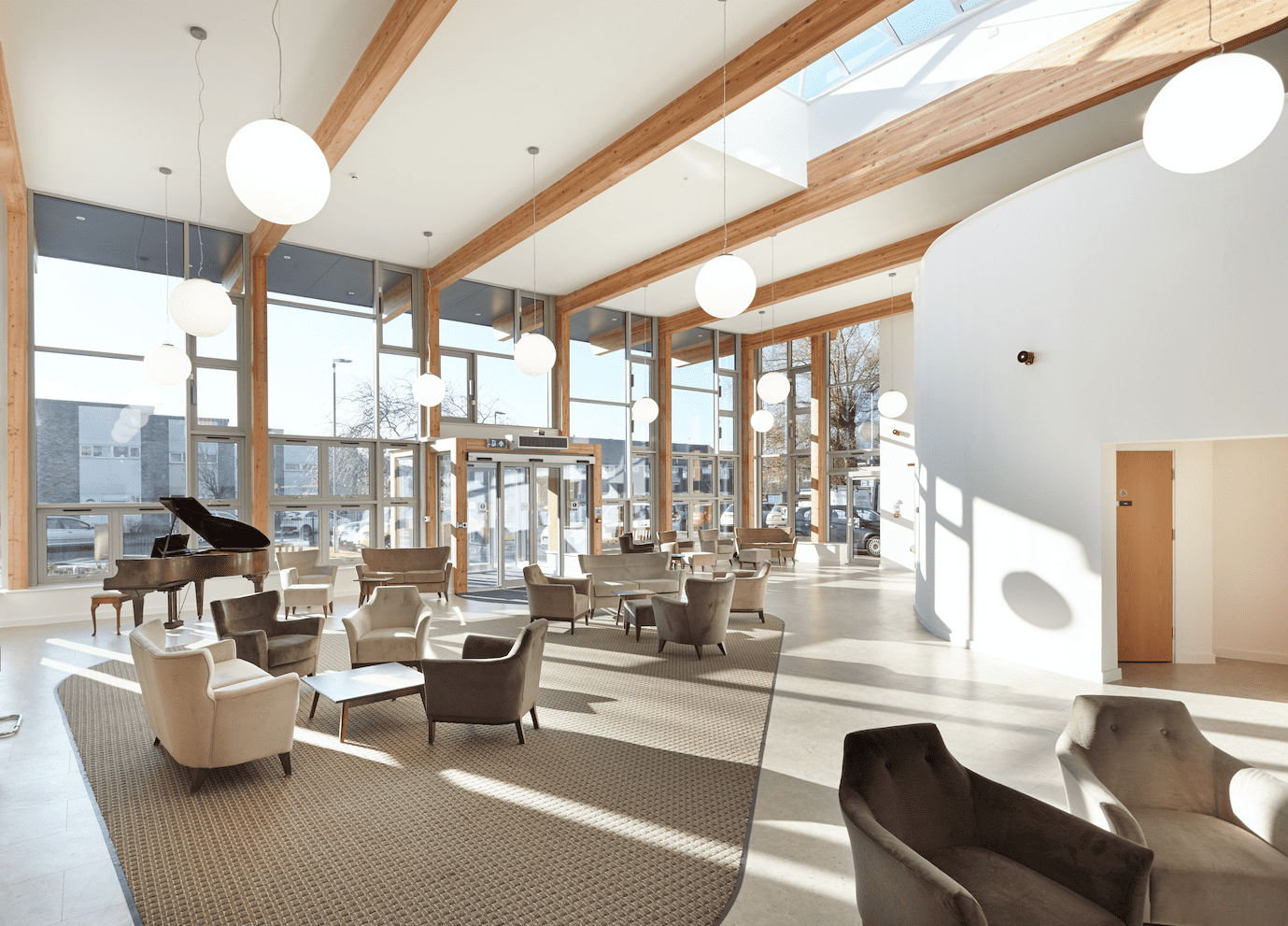
With the built environment accounting for 45% of the UK’s total carbon emissions and 32% of landfill waste, our commitment to resources in construction needs to be a commitment to sustainable resources, and one of the most sustainable building resources readily available is wood.
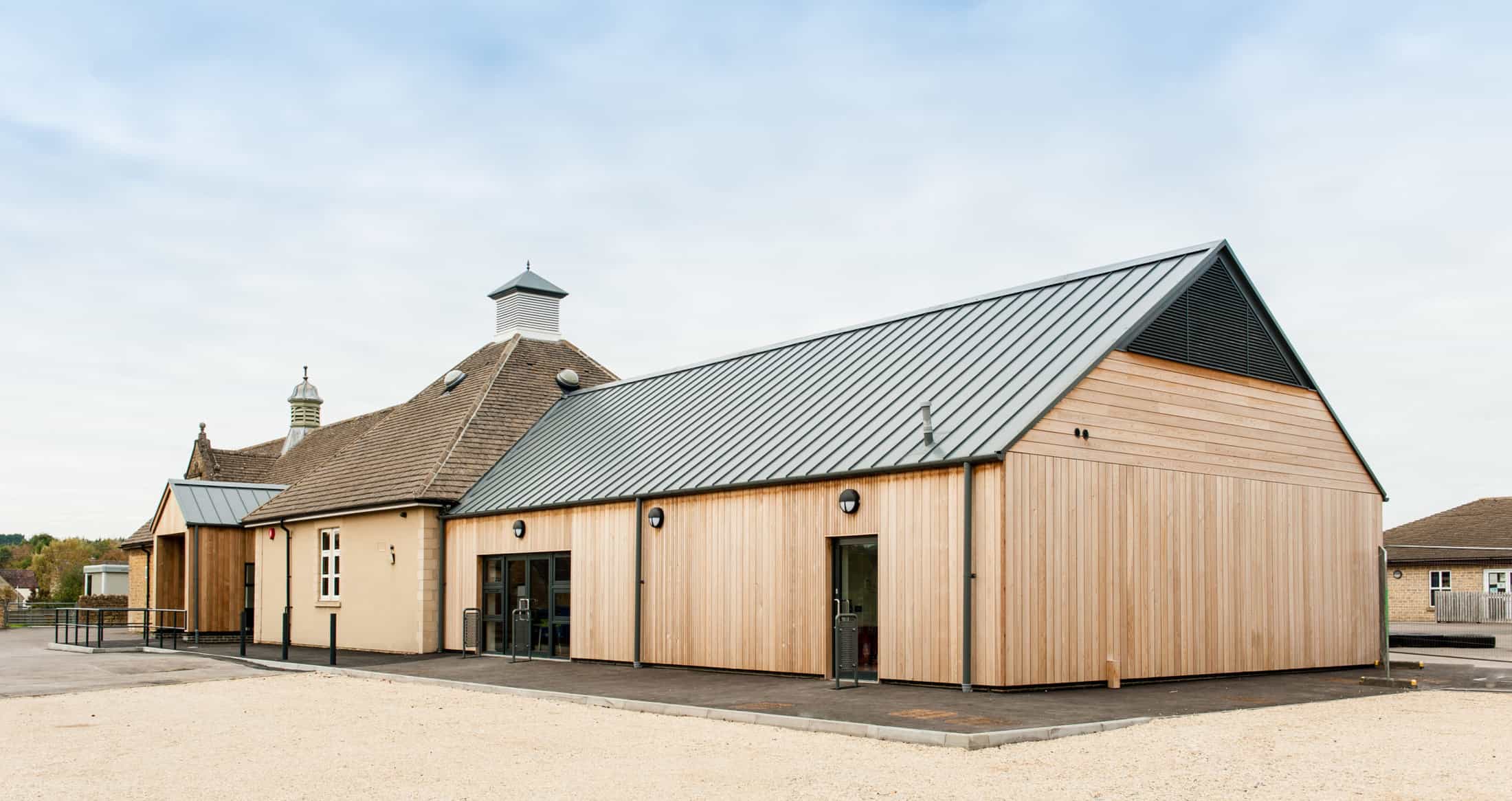
Choosing sustainably sourced, FSC certified wood that comes from climate smart forestry programmes can be used to green our cities and bring nature back into our day-to-day environment.
For every cubic metre of wood used instead of other building materials, 0.8 tonnes of CO2 is saved from the atmosphere.
Up to 80% of a building’s embodied carbon comes from structural materials, by choosing less carbon intensive options such as, wood products, less energy is required to manufacture them than other materials, and more carbon is stored through the useful life of the product.
Striking and Sustainable Design
Our project Page Park, showcases Quattro’s specification of wood in a striking and sustainable design, subsequently rewarded with the status of ‘Best in the South West’.
Materials for the new pavilion containing a Café and Community Room within the historic setting of Page Park, needed to be vandal proof and also reflective of South Gloucestershire Council’s passion for sustainable architecture.
Delivered to a tight budget, we implemented wood in our sustainable design by emphasising natural light with tall areas of glazing and vertical timber cladding, mirroring the sylvan setting. An inverted butterfly roof brings in daylight, maximising light but at the same time, reducing the visual impact on the park. With timber and stone facing; this is a durable design and ensures that the building captures the vernacular of the park.
Yate Youth Café, Bristol, is another example where Quattro introduced innovative walling materials to achieve the client’s sustainability brief. The bio-composite material hempcrete was used in conjunction with timber frame to provide a highly insulating, vapour permeable external wall construction. Similar to the life cycle of wood, it has a better than zero carbon footprint, absorbing more carbon from the atmosphere as it grows than it produces in the manufacturing and application process.